
Clinically reviewed by the Massachusetts Sleep Center clinical team · September 2026
Sleep studies help identify sleep apnea and certain other sleep disorders. Whether you need one depends on your symptoms and medical history.
Insomnia is usually evaluated through a conversation about your sleep and daytime symptoms. This guide explains when testing may add useful information.
An overnight laboratory study, or polysomnogram, records breathing, oxygen levels, heart rhythm, movements and brain activity. These measurements show sleep stages and can help identify specific sleep disorders.
A home sleep apnea test primarily records breathing and oxygen levels. It usually does not measure brain activity or sleep stages.
A laboratory study can record time awake as well as time asleep. However, the recording alone cannot explain every cause of insomnia, so your sleep history remains essential.
Loud snoring, choking, gasping and observed pauses in breathing can be signs of obstructive sleep apnea. Tell your clinician about them so they can assess whether testing is needed.
Unintentional daytime sleep, especially while driving or during a conversation, needs assessment. Several conditions can cause it; a clinician can determine what testing or care is appropriate.
Difficulty falling asleep, returning to sleep or relaxing at bedtime may suggest insomnia. Your clinician considers how often this happens, how long it has lasted and how it affects your day. These symptoms do not exclude sleep apnea.
A normal test does not explain every cause of poor sleep or necessarily rule out sleep apnea, especially after a home test. Discuss ongoing symptoms and any need for further testing with the ordering clinician.
Bring any previous test reports to your evaluation. They help your clinician understand what has already been assessed and whether insomnia treatment may be appropriate.
Massachusetts Sleep Center & Counseling provides Cognitive Behavioral Therapy for Insomnia and treatment for anxiety. We do not perform sleep studies.
When insomnia and sleep apnea occur together, we treat insomnia and coordinate referrals to partners who treat apnea. If testing is needed, we can share our findings with your doctor. Information for referring providers is on our referrals page.
Most patients meet with Massachusetts-licensed clinicians by video. Limited in-person appointments are available; confirm availability when booking.
At your first visit, we discuss when symptoms began, your current sleep pattern and treatments you have tried.
Your clinician recommends a plan based on that assessment, which may include CBT-I or a referral for further evaluation. Read about our treatment approach.
Our clinicians are trained in CBT-I. You can review their profiles and choose whom to book with.

Insomnia specialist
Specialities: Insomnia, Anxiety, Substance abuse
Approaches: Cognitive Behavioral Therapy, Mindfulness, Motivational interviewing
Eneida Qirko is a licensed mental health counselor with over 15 years of experience working with children, teens, and adults who are navigating a wide range of mental health concerns, including anxiety, depression, PTSD, relationship stress, life transitions, body image concerns, ADHD, ASD, and mood and personality disorders. She uses evidence-based approaches such as CBT, DBT, ACT, mindfulness, EMDR, and trauma-focused therapies, tailoring treatment to each client’s unique needs. Eneida brings a broad clinical perspective informed by her work in outpatient mental health clinics, emergency departments, private practice, court systems, schools supporting students with ASD, and substance use treatment settings. She has also completed specialized training in Cognitive Behavioral Therapy for Insomnia (CBT-I), allowing her to support clients with evidence-based strategies to improve sleep alongside their mental health goals.
Book with Eneida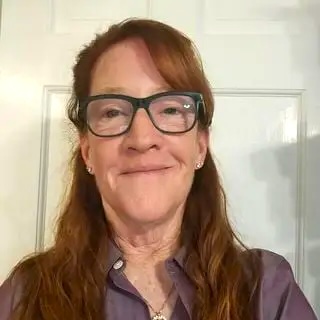
Insomnia specialist
Specialities: Insomnia, Anxiety, Self Esteem, Depression
Approaches: Cognitive Behavioral Therapy, Motivational interviewing
Maureen Gebhardt is a Licensed Independent Clinical Social Worker who works with young adults and individuals across the lifespan on a range of issues, including addiction, depression, anxiety, relationship challenges, and work stress. She uses evidence-based techniques and a holistic, integrated mental and physical health approach to help clients manage and improve their wellbeing. Maureen has completed specialized training in Cognitive Behavioral Therapy for Insomnia (CBT-I), equipping her to help clients struggling with sleep difficulties. She is committed to creating a safe, supportive, and nonjudgmental space where clients can build on their strengths, develop practical tools for resilience, and take meaningful steps toward the life they want.
Book with MaureenCBT-I evaluations and sessions are billed as outpatient behavioral health care. We are in network with Aetna, Blue Cross Blue Shield, Cigna / Evernorth, Harvard Pilgrim, Medicare, Tufts Health Plan, UnitedHealthcare / Optum and Veterans Affairs Community Care Network. Coverage and costs depend on your plan.







We do not order sleep studies directly. If your evaluation suggests that testing may help, your clinician can share findings with your doctor and coordinate a referral to an appropriate testing provider.
You do not need a referral to book with us, and a sleep study is not routinely required for insomnia. Your clinician reviews your sleep history and checks for symptoms that may warrant testing before recommending treatment.
They can be, depending on your needs. Treating sleep apnea may not resolve coexisting insomnia, so both may require care. We provide CBT-I for insomnia and coordinate with partners who manage apnea.
A home sleep apnea test is suitable for some adults being evaluated for obstructive sleep apnea. It measures less than a laboratory study and is not appropriate for every patient or every suspected disorder. The ordering clinician decides which test is needed.
Book an evaluation with a Massachusetts clinician to discuss your symptoms, or get started here to tell us about your sleep.
Book an Evaluation